

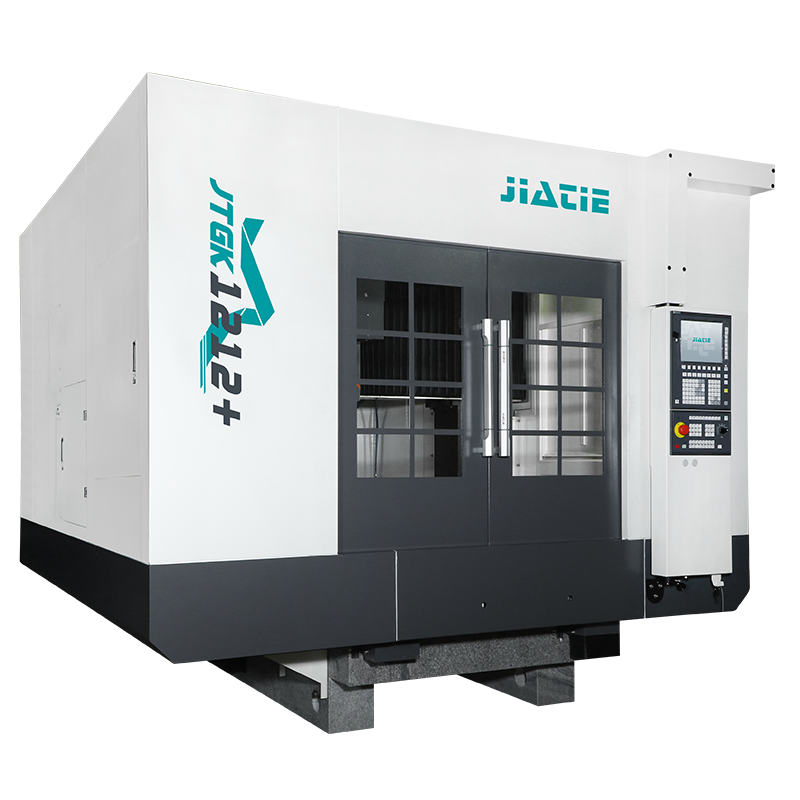
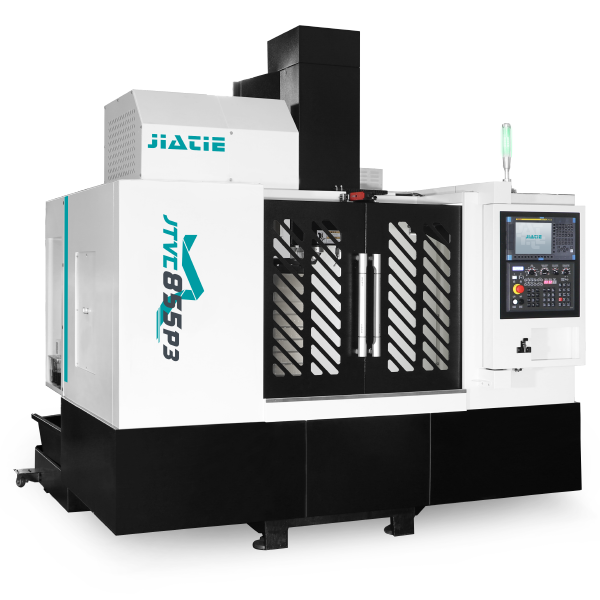
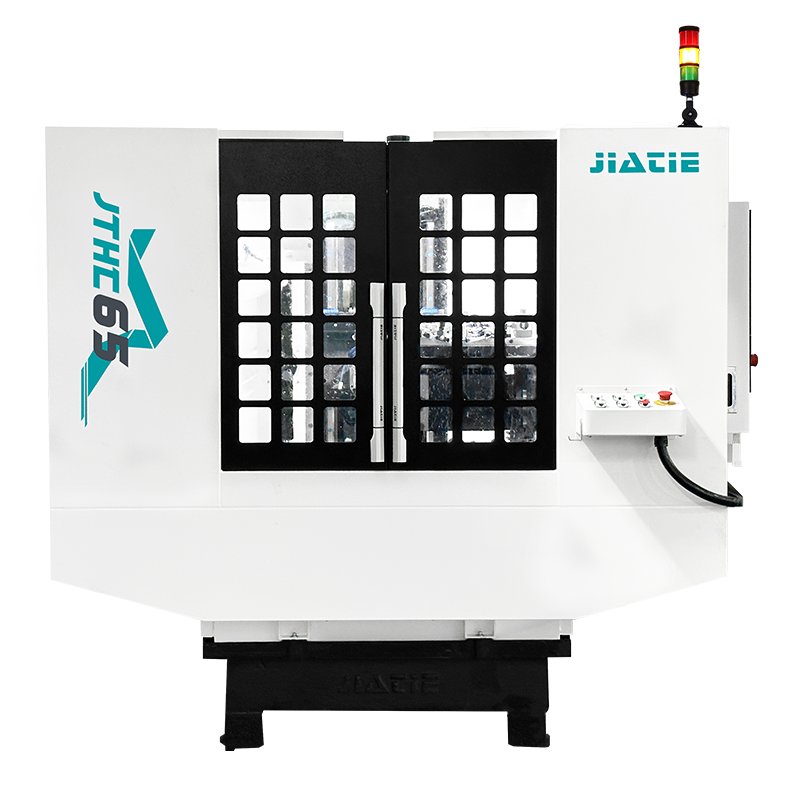
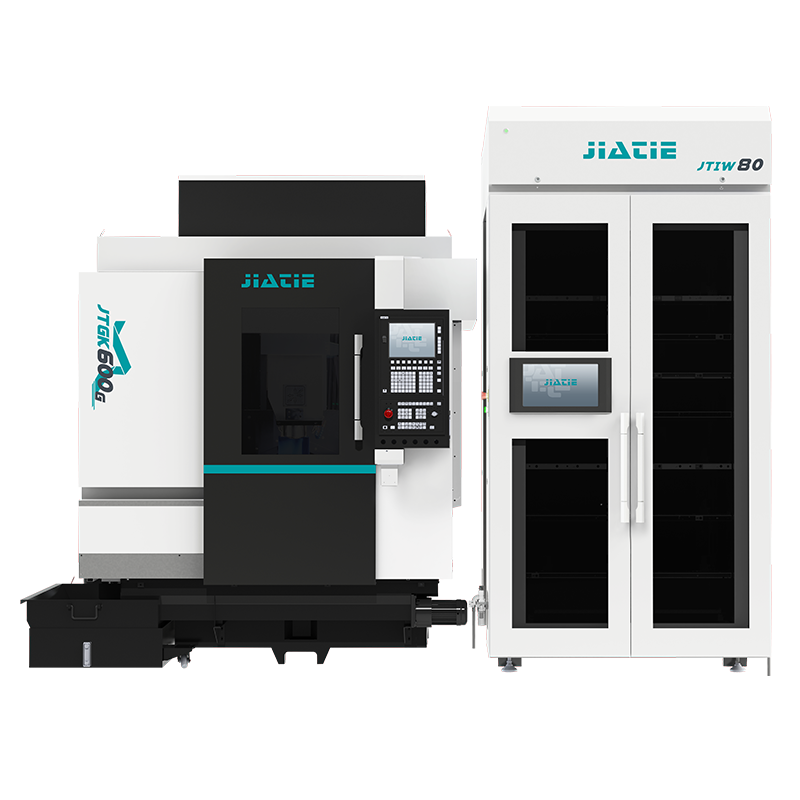
Building a 5-axis CNC machine is a complex but rewarding engineering project. Whether you're a manufacturer looking to upgrade capabilities or an engineer interested in advanced automation, understanding the full process is critical. In this guide, we will explore what is 5 axis cnc milling machine, structural design principles, key components, assembly steps, software configuration, and how to evaluate what is the best 5 axis cnc machine for your application.
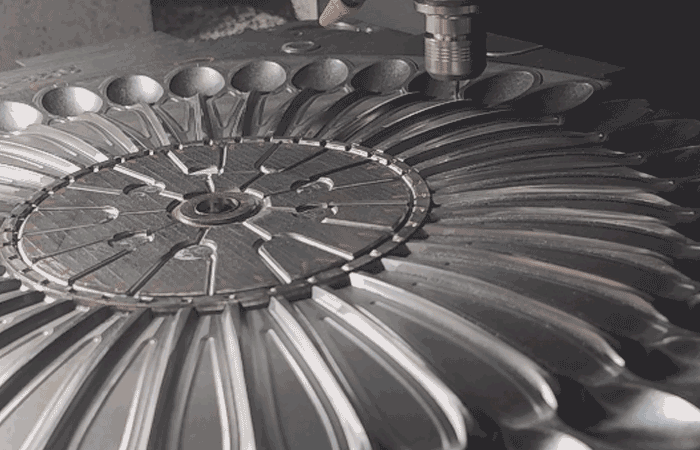
We will also analyze how a professional-grade solution like the JTGK-800i CNC Machining Center fits into modern 5 axis machining environments.
What Is 5 Axis CNC Milling Machine?
Before building one, it’s important to answer: what is 5 axis cnc milling machine?
A 5-axis CNC milling machine is an advanced CNC Machining Center that moves a cutting tool or workpiece along five different axes simultaneously:
X axis (left-right)
Y axis (front-back)
Z axis (up-down)
A axis (tilting around X)
B or C axis (rotating around Y or Z)
This allows for complex geometry machining without repositioning the workpiece.
Compared to a traditional vertical Machining Center, 5 axis machining enables:
Reduced setup time
Improved surface finish
Machining complex contours
Higher precision
Shorter production cycles
Why Build a 5 Axis CNC Machine?
Companies build or invest in 5-axis systems for:
Aerospace parts
Medical implants
Automotive molds
Precision components
Complex aluminum or titanium parts
A 5-axis cnc milling center significantly increases manufacturing flexibility compared to a standard vertical cnc machine.
Core Components Required to Build a 5 Axis CNC Machine
Building a 5-axis machine involves multiple engineering systems working together.
1. Machine Frame and Structure
Rigidity is critical. The frame must:
Absorb vibration
Maintain geometric stability
Support heavy loads
Minimize thermal distortion
Modern machines, such as the JTGK-800i CNC Machining Center, feature:
New structural designs that improve rigidity
Optimized machine base casting
Enhanced machining stability
A strong foundation is the backbone of accurate 5 axis machining.
2. Linear Motion System (X/Y/Z)
You will need:
Precision linear guideways
High-accuracy ball screws
Servo motors
High-resolution encoders
Large stroke capability is important for multi-size part processing. For example:
JTGK-800i CNC Machining Center Specifications:
X/Y/Z travel: 700/800/350mm
Worktable dimension: 750×800mm
Max workpiece height: 310 (410) mm
Max table load: 800kg
This travel range supports medium to large workpieces, making it suitable for advanced cnc center applications.
3. Rotary Axes (A and C Axis)
To convert a 3-axis machine into 5-axis, you must integrate:
Rotary table (C axis)
Tilting trunnion (A axis)
Direct-drive torque motors (recommended)
High-precision harmonic drives (optional)
Accuracy here directly determines 5 axis machining quality.
4. Spindle System
A high-speed spindle is required for multi-angle cutting.
Important considerations:
RPM range (12,000–24,000+ recommended)
Cooling system
Tool clamping precision
Thermal stability
Vibration suppression technology, like that used in the JTGK-800i CNC Machining Center, increases tool life and improves machining performance.
5. Tool Magazine System
You may choose:
Circular type tool magazine
Chain type tool magazine
The JTGK-800i CNC Machining Center offers both:
2400x2370x2660mm (Circular type tool magazine)
2650x2370x2660mm (Chain type tool magazine)
Net weight: 5000kg
Automatic tool changers (ATC) are essential for complex machining programs.
6. Control System (CNC Controller)
Choose a high-end controller:
Siemens
Fanuc
Mitsubishi
Heidenhain
These systems support simultaneous 5 axis interpolation and advanced toolpath control.
Step-by-Step: How to Build a 5 Axis CNC Machine
Step 1: Design the Machine Structure
Use CAD software to design:
Base frame
Column
Spindle head
Rotary table assembly
Ensure stress analysis and finite element analysis (FEA) are conducted.
Step 2: Assemble the Mechanical System
Install:
Linear guide rails
Ball screws
Servo motors
Rotary axis system
Spindle motor
Alignment precision is critical. Even minor misalignment will reduce machining accuracy.
Step 3: Install Electrical and Control System
Mount:
CNC controller
Drive modules
Power cabinet
Emergency stop system
Cooling system
Ensure electrical grounding and safety compliance.
Step 4: Integrate Chip Removal System
Efficient chip removal improves performance and prevents damage.
Advanced machines feature:
Optimized chip evacuation design
High-pressure coolant
Automatic chip conveyor
The JTGK-800i CNC Machining Center is designed with a good chip removal method suitable for different processing requirements.
Step 5: Calibration and Testing
Perform:
Laser calibration
Ball bar testing
Axis squareness verification
Rotary axis accuracy testing
Proper calibration determines final machining precision.
5 Axis Machining vs Other CNC Machines
Vertical Machining Center
A vertical machining center has a vertically oriented spindle and typically operates in 3 axes.
Best for:
Flat parts
Simple contours
General manufacturing
CNC Turning Center
A cnc turning center rotates the workpiece rather than the cutting tool.
Best for:
Shafts
Cylindrical parts
Symmetrical components
CNC Milling Center
A cnc milling center removes material using rotary cutting tools and supports multi-directional machining.
5-axis machines are essentially advanced versions of a cnc milling center.
What Is the Best 5 Axis CNC Machine?
When evaluating what is the best 5 axis cnc machine, consider:
Structural rigidity
Axis travel range
Spindle speed
Rotary axis precision
Tool magazine capacity
Vibration control
Chip removal efficiency
Control system capability
A machine like the JTGK-800i CNC Machining Center stands out because:
Improved structural rigidity
Mature vibration suppression technology
Large stroke capability
800kg table load
Compact but stable structure (5000kg net weight)
The best machine depends on your production scale and part complexity.
Cost Considerations
Building your own 5-axis machine can cost:
Mechanical components: $40,000–$100,000
Controller system: $15,000–$40,000
Spindle system: $10,000–$30,000
Rotary system: $20,000–$50,000
Assembly & calibration: $20,000+
Total estimated cost: $100,000–$250,000+
In many cases, purchasing a ready-made professional machining center is more cost-effective.
Common Challenges When Building a 5 Axis CNC Machine
Maintaining geometric accuracy
Controlling thermal expansion
Synchronizing 5 axes simultaneously
Managing vibration
Software tuning
Safety compliance
Without advanced engineering experience, building from scratch is extremely difficult.
Is Building Your Own 5 Axis Machine Worth It?
For hobbyists or research institutions — possibly.
For industrial manufacturing — purchasing a professional cnc center like the JTGK-800i CNC Machining Center is often the smarter investment.
It offers:
Proven stability
Large processing stroke
Reliable vibration suppression
Flexible tool magazine options
Heavy-duty load capacity
Final Thoughts
Building a 5-axis CNC machine requires deep knowledge of mechanical engineering, control systems, and precision calibration. Understanding what is 5 axis cnc milling machine helps clarify the complexity involved.
When deciding what is the best 5 axis cnc machine, focus on:
Rigidity
Stability
Travel range
Load capacity
Precision control
Long-term durability
Whether you build your own or invest in a professional solution like the JTGK-800i CNC Machining Center, 5 axis machining remains one of the most powerful technologies in modern manufacturing.